
Five Mistakes People Make When Buying a 2 Person Sauna

Mistake 1: Measuring the Sauna but Not the Room Around It
A 2 person cabin with a 4 by 4 foot footprint looks like it will fit almost anywhere, so buyers tape off that rectangle and stop there. The door still needs 24 to 30 inches of swing clearance to open fully, and the heater guard needs open air space, usually a minimum of 3 inches, on whichever side it sits against a wall. Barrel and rounded-roof styles add another wrinkle: the widest point of the curve is often a few inches past where the base sits, so a spot that looks tight enough on paper turns out to be too narrow once the unit is actually delivered and set in place. Walk the intended spot with a tape measure and mark out the full clearance envelope, not just the cabin’s stated dimensions, before ordering anything.
Mistake 2: Guessing at Heater Size Instead of Matching It to Cubic Footage
Heater sizing for a traditional electric sauna follows a rough industry rule of about 1kW of heater output per 45 to 50 cubic feet of interior space. A typical 2 person cabin with roughly a 4 by 4 foot base and 6.5 feet of interior height comes out to around 100 to 115 cubic feet, which lands most models in a 4.5kW to 6kW heater range depending on insulation quality and how much glass is in the door. Buyers who pick a unit based on price alone sometimes end up with a heater at the low end of that range in a poorly insulated cabin, and the result is a sauna that takes 45 minutes or longer to reach temperature and still struggles on a cold day in an unheated garage or outbuilding. An oversized heater in a small box has the opposite problem: it can feel harsh and overheat the room faster than the wood and glass can handle comfortably.
See also: Peptides for Immune Support: Thymosin Alpha-1 Sources
Mistake 3: Not Confirming the Electrical Draw Before Choosing a Spot
This is the mistake that turns a straightforward purchase into an unplanned electrician bill. Most 4.5kW and larger heaters need a dedicated 240V circuit on a 20A to 30A double-pole breaker, and if the intended installation spot is not already wired for that, running new circuit capacity to a garage corner or backyard pad can add a meaningful line item to the total cost. Some smaller infrared 2 person units are designed around a standard 120V, 15A household outlet instead, which avoids the electrical work but caps total heater wattage at roughly 1,500W and limits both top temperature and heat-up speed. Before ordering, confirm what the specific heater model draws and what the panel in the intended room can actually support. Retailers that carry several 2 person configurations side by side, including SweatDecks.com, are a reasonable place to compare listed voltage and amperage requirements against what is already run to the spot you have in mind, before committing to one model over another.
Mistake 4: Overlooking Headroom for Taller Users
Interior height on 2 person cabins typically runs 72 to 79 inches, and that number is usually measured at the tallest point of the ceiling. On barrel-style units and anything with a curved or domed roof, headroom drops noticeably as you move toward the side walls, which matters a lot for anyone over 6 feet 2 inches who plans to stand up inside before sitting down. Square-roof cabin styles hold consistent height across the whole interior and are generally the safer choice for taller households. If two people of different heights will be using the unit regularly, it is worth checking the manufacturer’s interior height spec at the wall, not just the peak, rather than assuming the exterior dimensions tell the full story.
Mistake 5: Placing It Outdoors Without a Drainage and Ventilation Plan
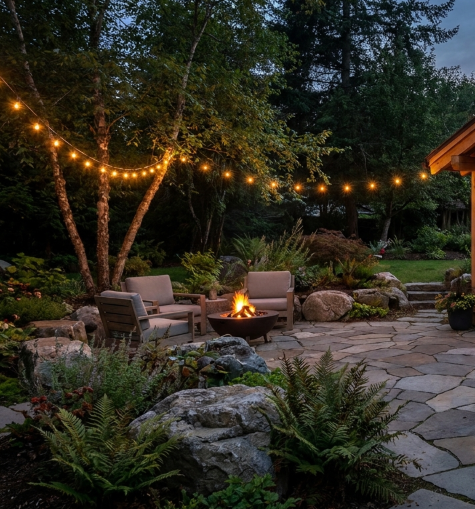
An outdoor 2 person sauna set directly on bare dirt or grass will absorb ground moisture into the base over time, which swells wood joints and shortens the life of the floor. A gravel bed or paver base with a slight slope away from the unit keeps rainwater from pooling against the door threshold, and a few inches of clearance on all sides lets air circulate under and around the cabin so it can dry out between uses. Ventilation matters just as much once the sauna is running: most heaters rely on a fresh air intake near the floor and an exhaust vent near the ceiling to keep the airflow that carries heat evenly through the space, and boxing a unit into a tight corner with no airflow on any side can leave one part of the cabin noticeably cooler than the rest.
Catching these five issues before placing an order costs nothing beyond a tape measure and a few minutes with a calculator. Fixing them after a 2 person sauna is already installed usually means an electrician visit, a new base, or living with a unit that never quite performs the way it was supposed to. Most of this comes down to treating the purchase like a small home improvement project rather than an appliance order, since the cabin itself is only part of what determines whether the finished setup actually works well day to day.
A short walk-through with a tape measure, a rough electrical check, and a look at drainage on the intended spot generally takes under an hour and prevents the vast majority of return requests and post-install surprises that come up with compact two-person units.
Frequently Asked Questions
How much floor space does a 2 person sauna actually need? Most cabins have a 4 by 4 to 4 by 6 foot footprint, but plan for 24 to 30 inches of door swing clearance and about 3 inches of open air on the heater side, closer to a 6 by 6 foot total area.
What size heater does a 2 person sauna need? A 100 to 115 cubic foot interior typically calls for a 4.5kW to 6kW heater, following the rough guideline of 1kW per 45 to 50 cubic feet.
Can a 2 person sauna run on a standard 120V outlet? Some smaller infrared models are built for a 120V, 15A outlet, capping wattage around 1,500W. Traditional heaters at 4.5kW or more generally need a dedicated 240V circuit.
How long does a 2 person sauna take to heat up? A correctly sized heater reaches temperature in 20 to 30 minutes. An undersized heater can take 45 minutes or longer and may not reach set point in a cold space.
References
- Cardiovascular and Other Health Benefits of Sauna Bathing: A Review of the Evidence, Mayo Clinic Proceedings, 2018
- Clinical Effects of Regular Dry Sauna Bathing: A Systematic Review, Evidence-Based Complementary and Alternative Medicine, 2018
- Benefits and risks of sauna bathing, The American Journal of Medicine, 2001
By Sarah Whitfield